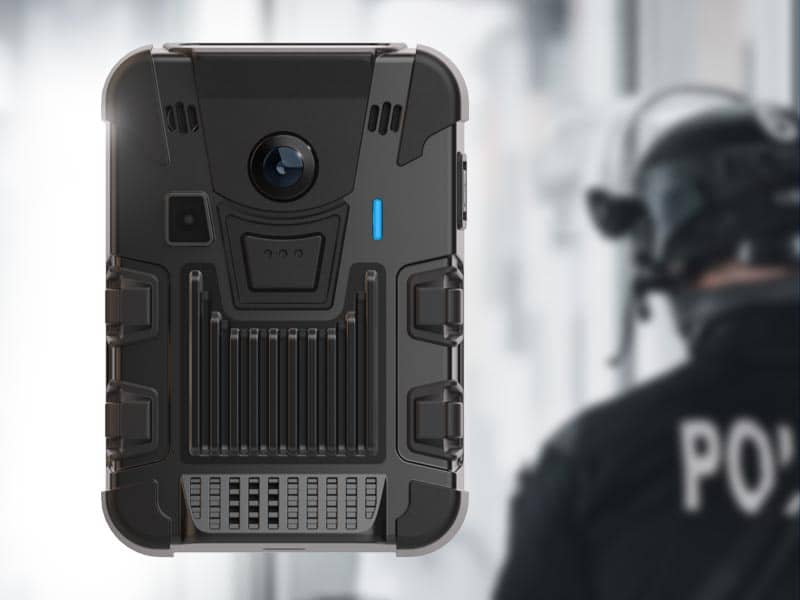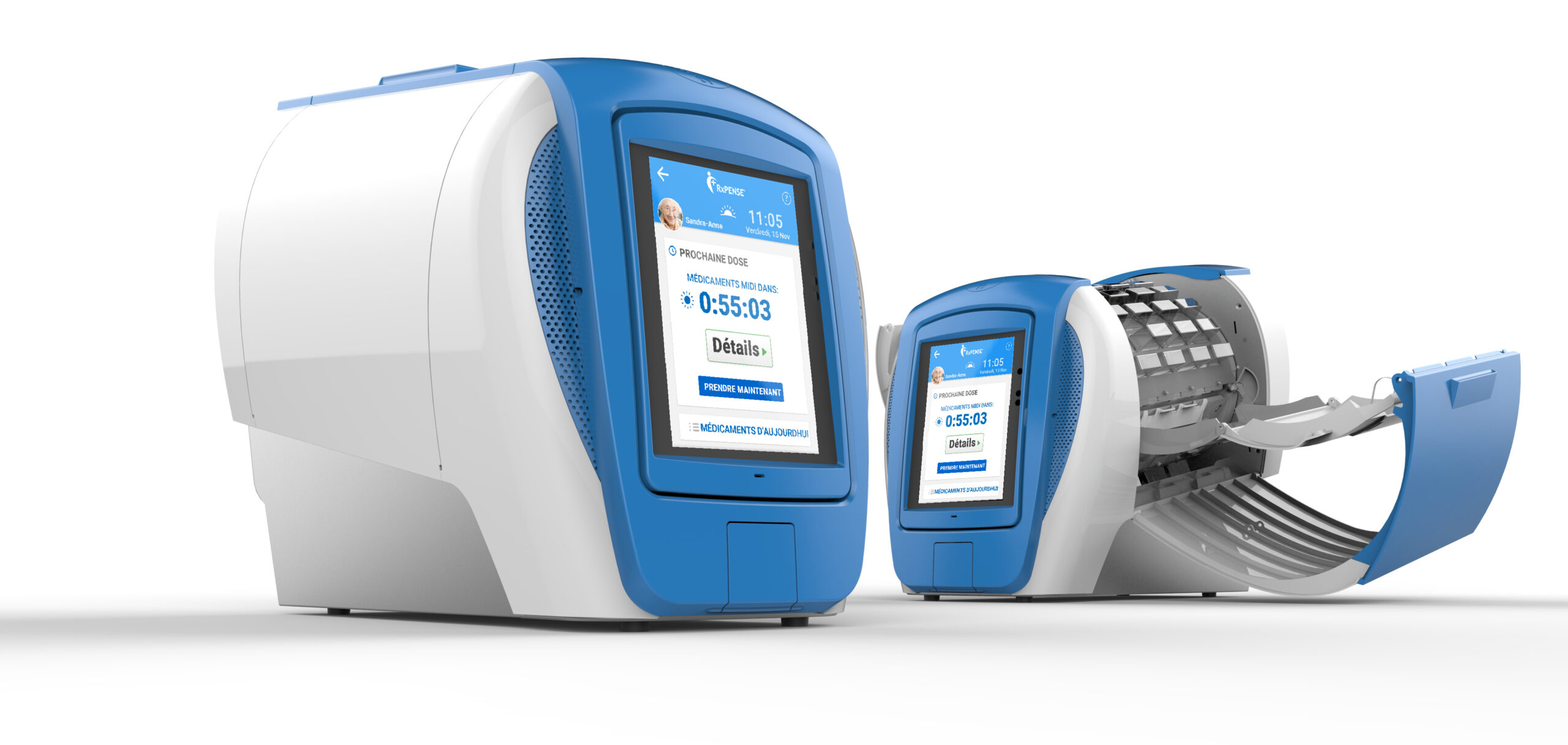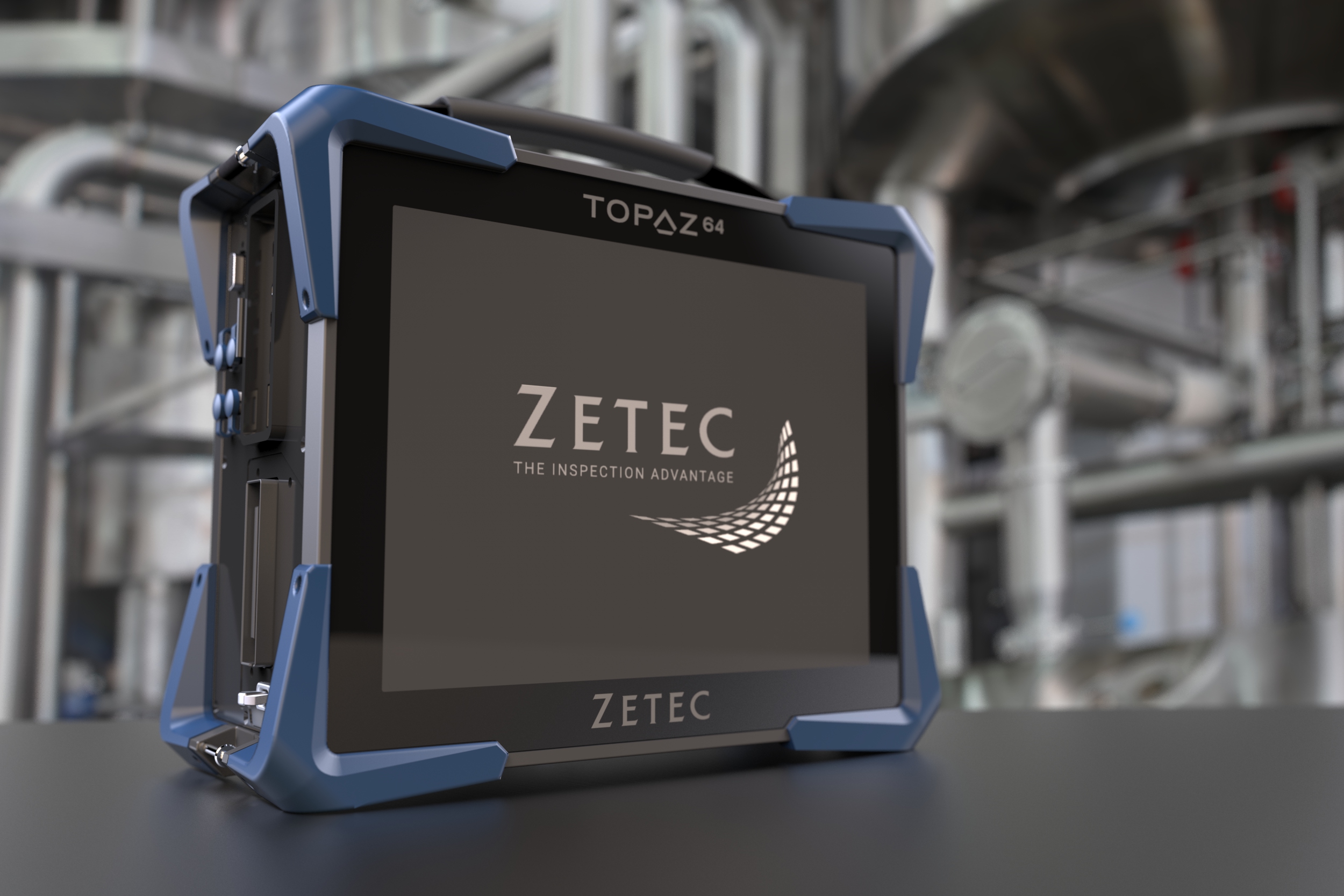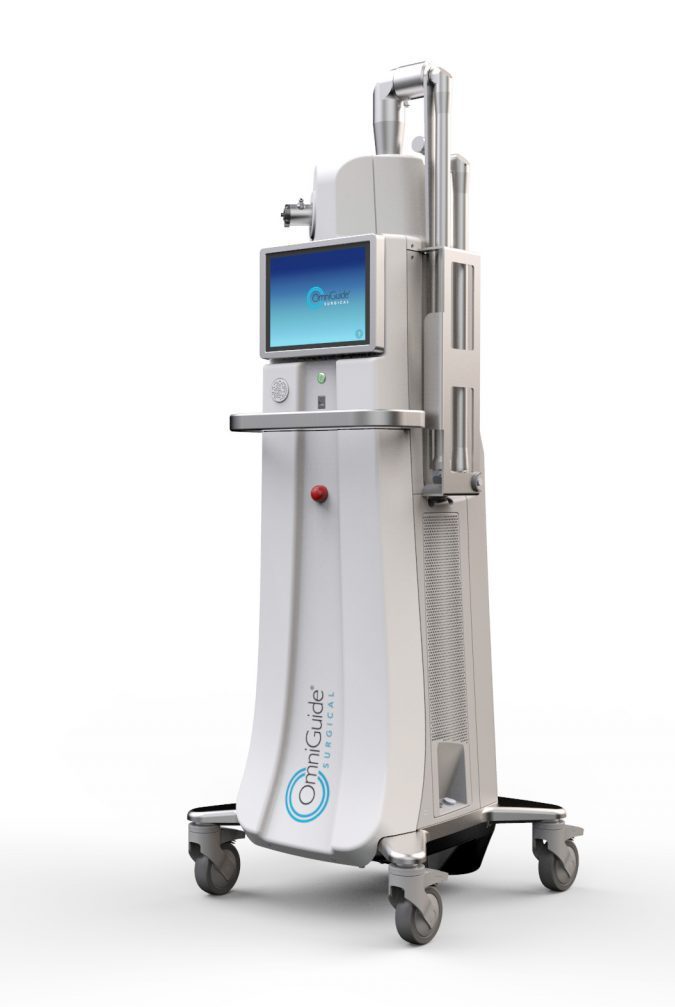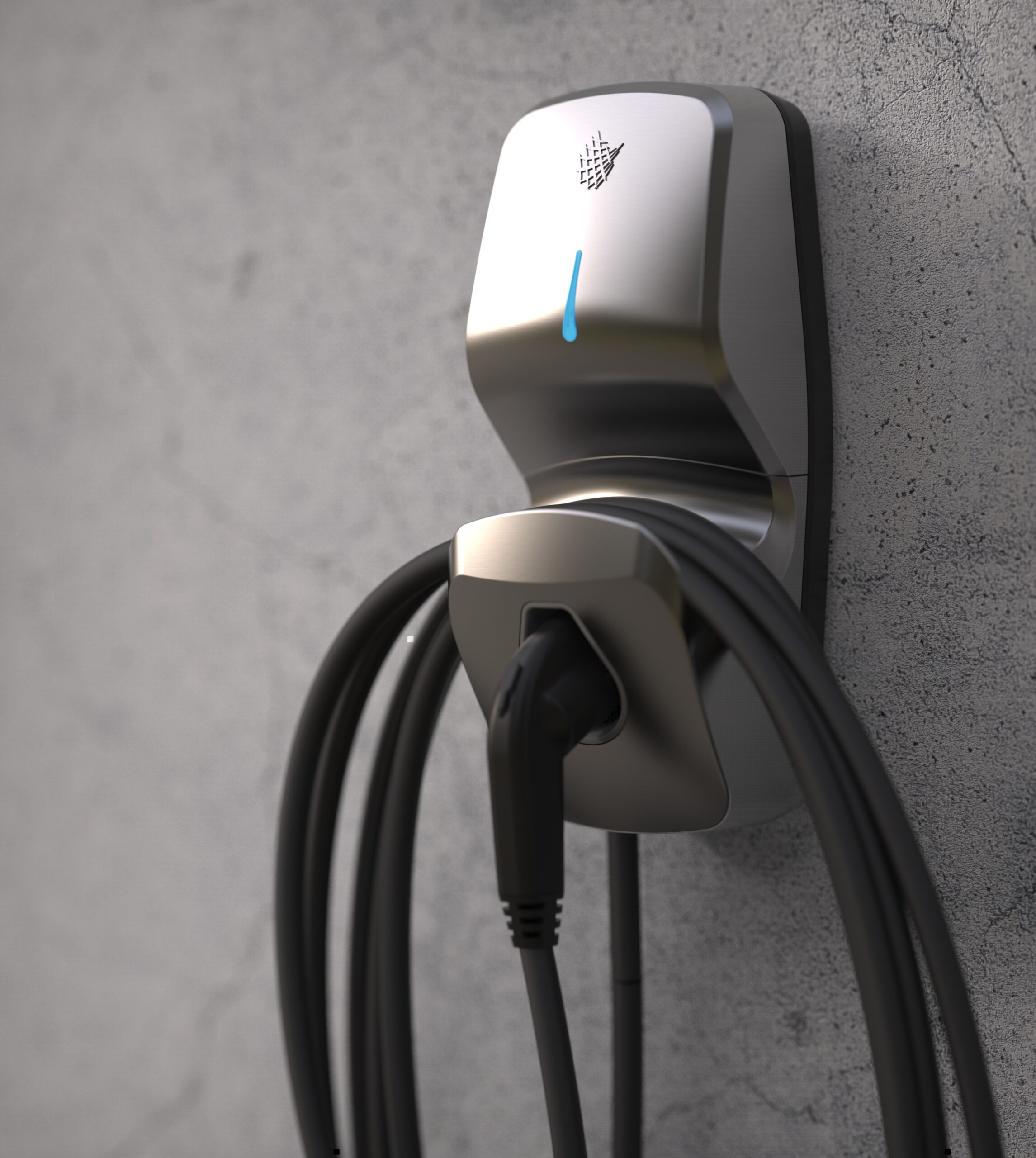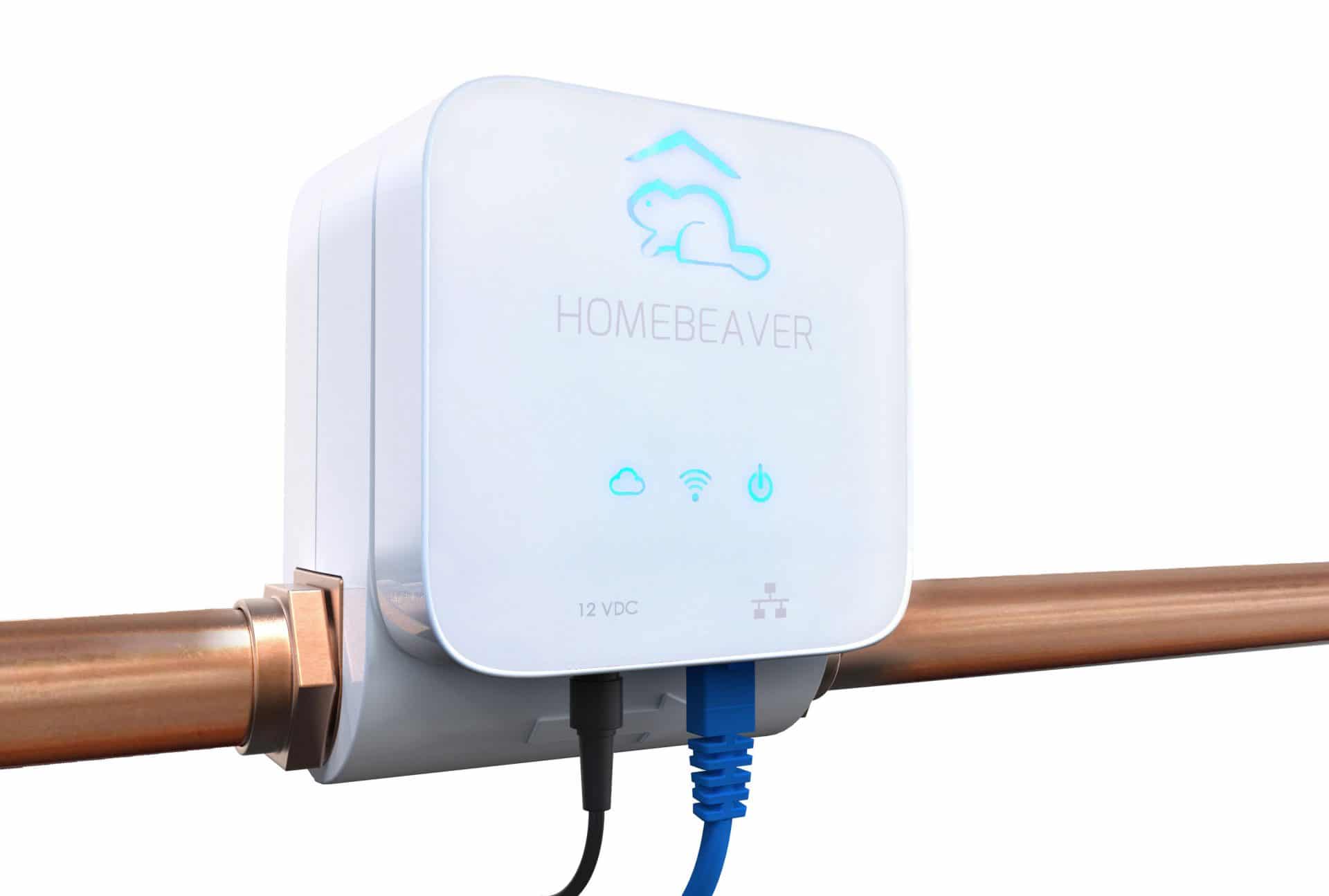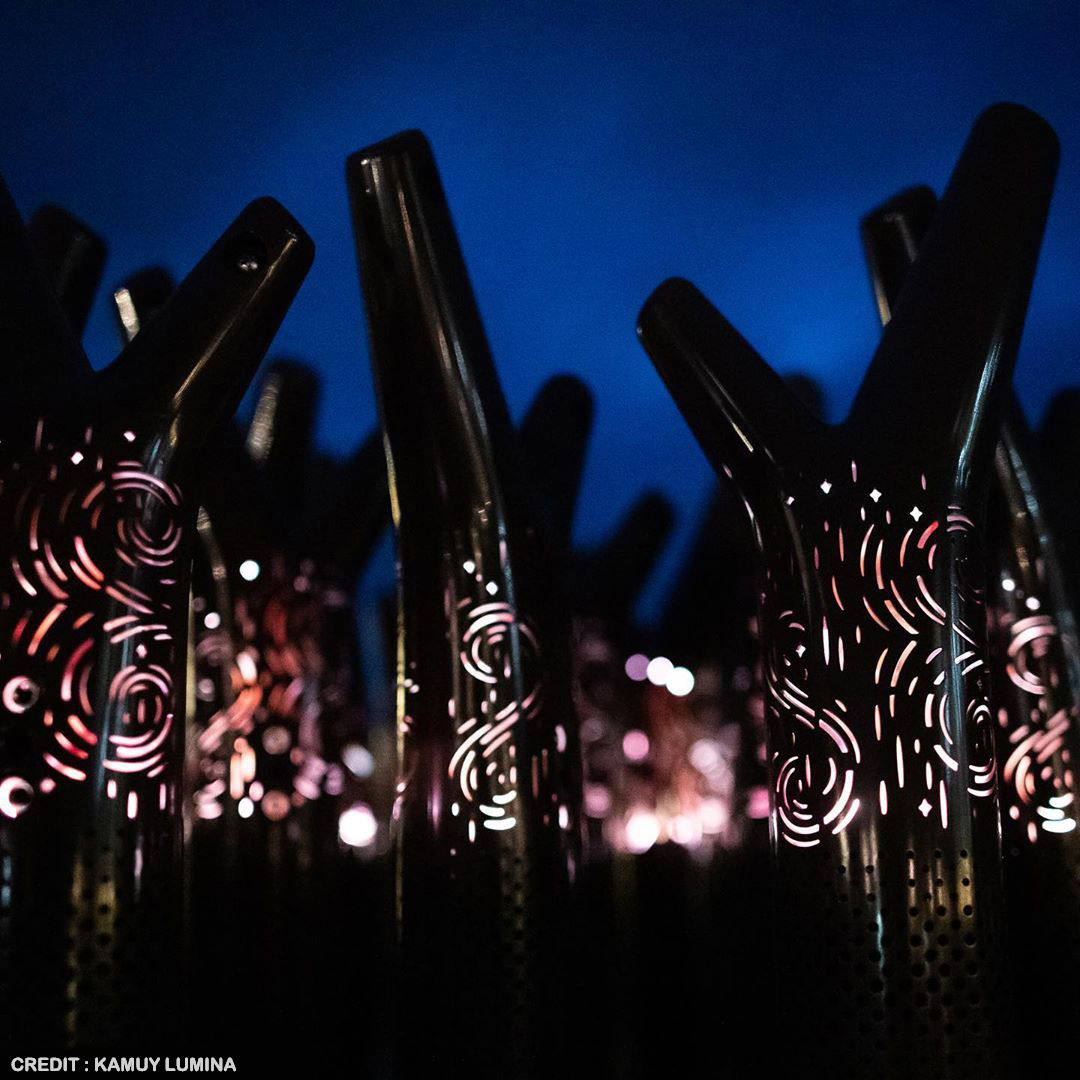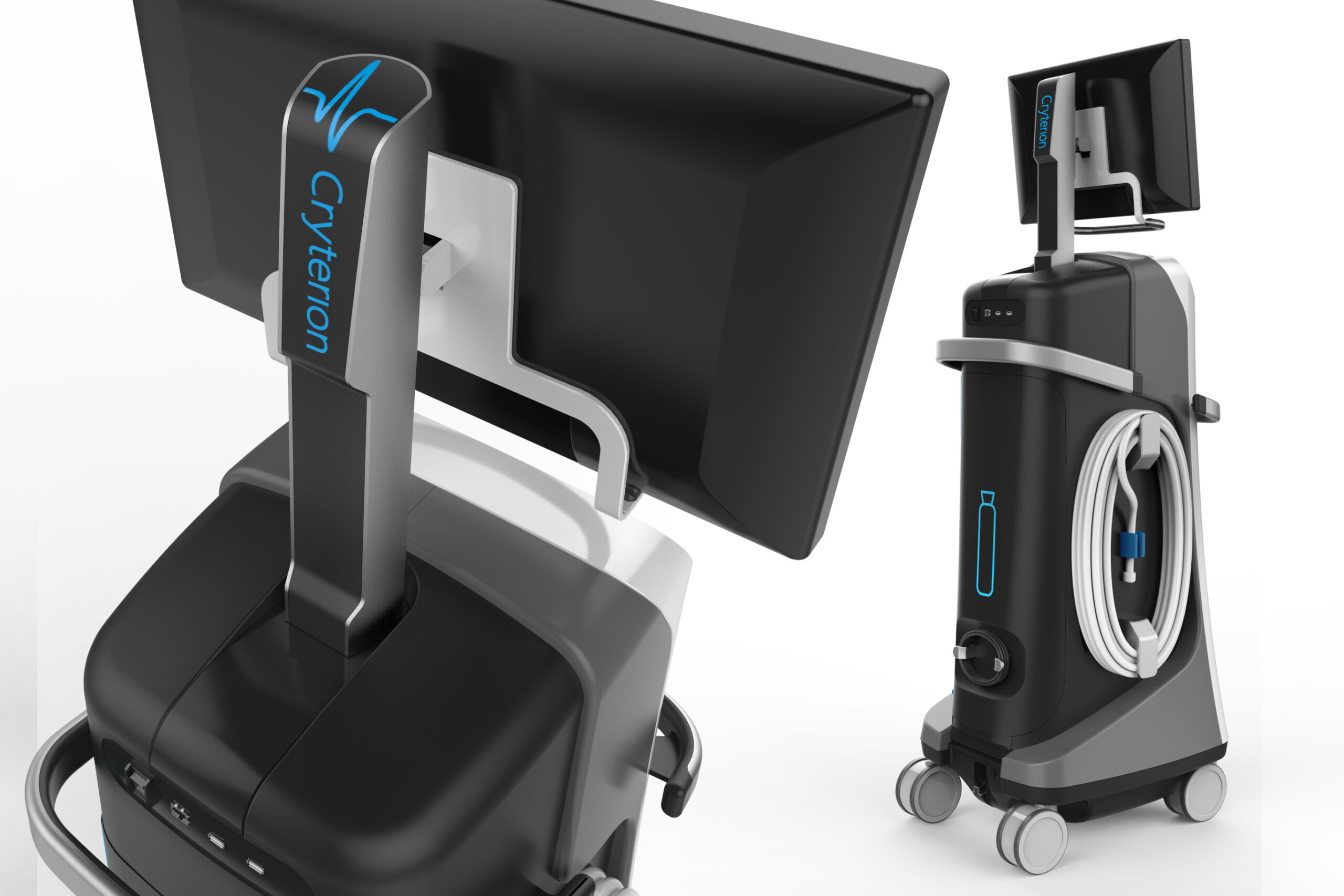
Shape your ideas, validate their feasibility, and hold your product in your hands.
We specialize in 3D product modeling and prototype development. Prototyping is an essential step in validating concepts, evaluating performance, and making refinements before production. Once your prototype is complete, you’ll be ready to confidently present your product to customers, investors, or manufacturing partners.
Tak Design’s experienced team supports you throughout the entire product development process—from the first concept to market launch.
Our Prototyping Services
- Advanced 3D modeling, including complex surfaces, freeform surfacing, and sheet metal designSmall- and medium-batch prototype manufacturingPresentation models for sales and investor demonstrationsFunctional development prototypesTesting and pre-certification prototypesErgonomic and contextual studiesMechanical, dimensional, and ergonomic validation testingOutsourced 3D printing services (SLA, SLS, FDM, and more)Fully equipped prototyping workshop for metal, wood, plastics, and finishing
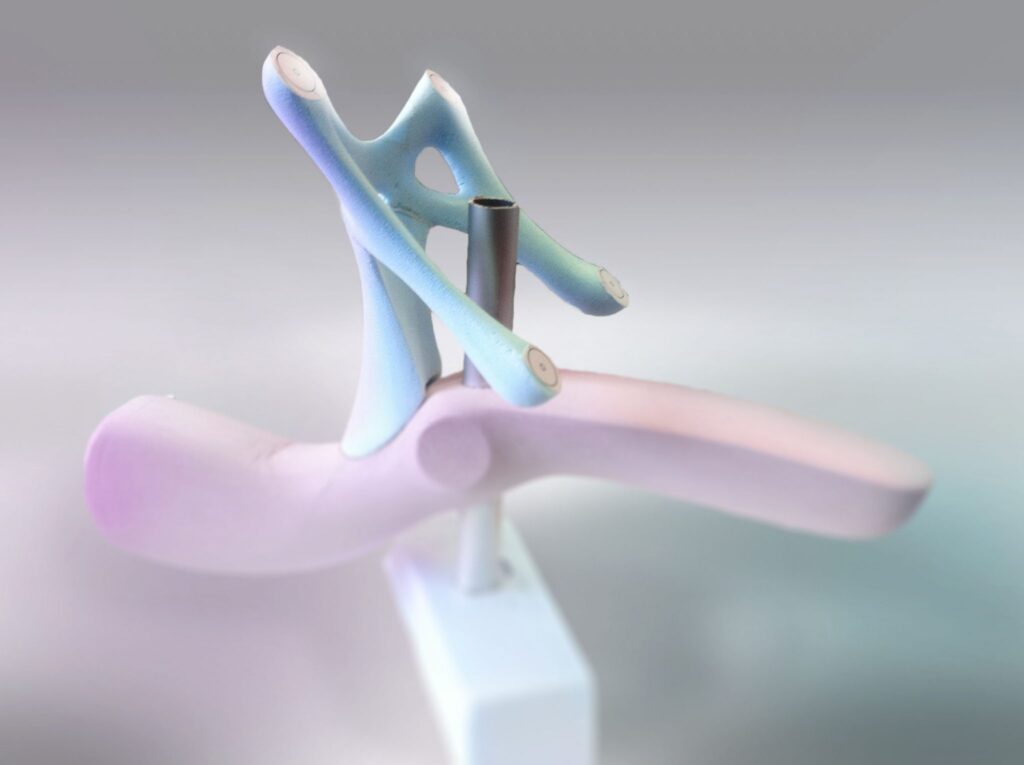
Volumetric Prototype (Mock-Up)
Often handcrafted, a volumetric prototype—commonly referred to as a mock-up—is typically created during the early stages of product development to evaluate the product’s physical presence, proportions, and interaction within its intended environment. It is particularly useful for preliminary ergonomic assessments and validating the overall concept.
This type of prototype is inexpensive to produce, and dimensional precision is not its primary purpose. Its speed and low cost allow it to be built and refined several times throughout the development process.
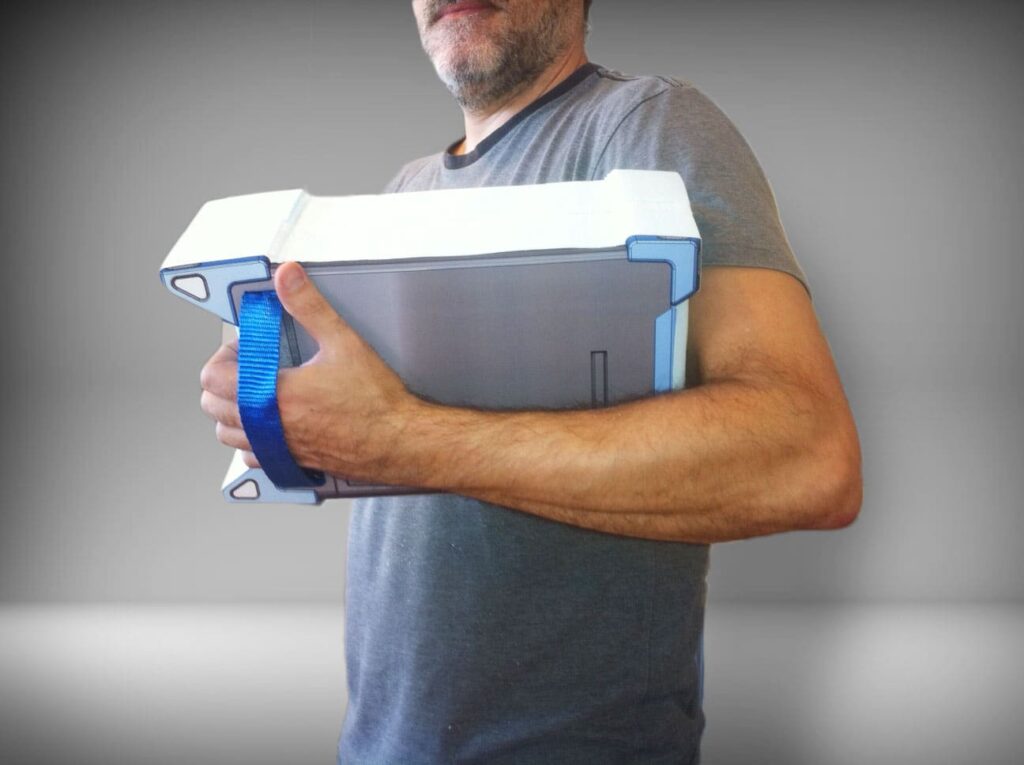
Proof-of-Concept Prototype
A proof-of-concept prototype is a full-scale or reduced-scale assembly incorporating preliminary subsystems to demonstrate the feasibility of a product, device, circuit, system, or underlying technology.
Its external appearance is generally rough, as the focus is on validating functionality rather than final design or aesthetics. Although its performance may fall short of the production version, it must provide sufficient evidence that the concept is technically viable and the intended objectives can be achieved.
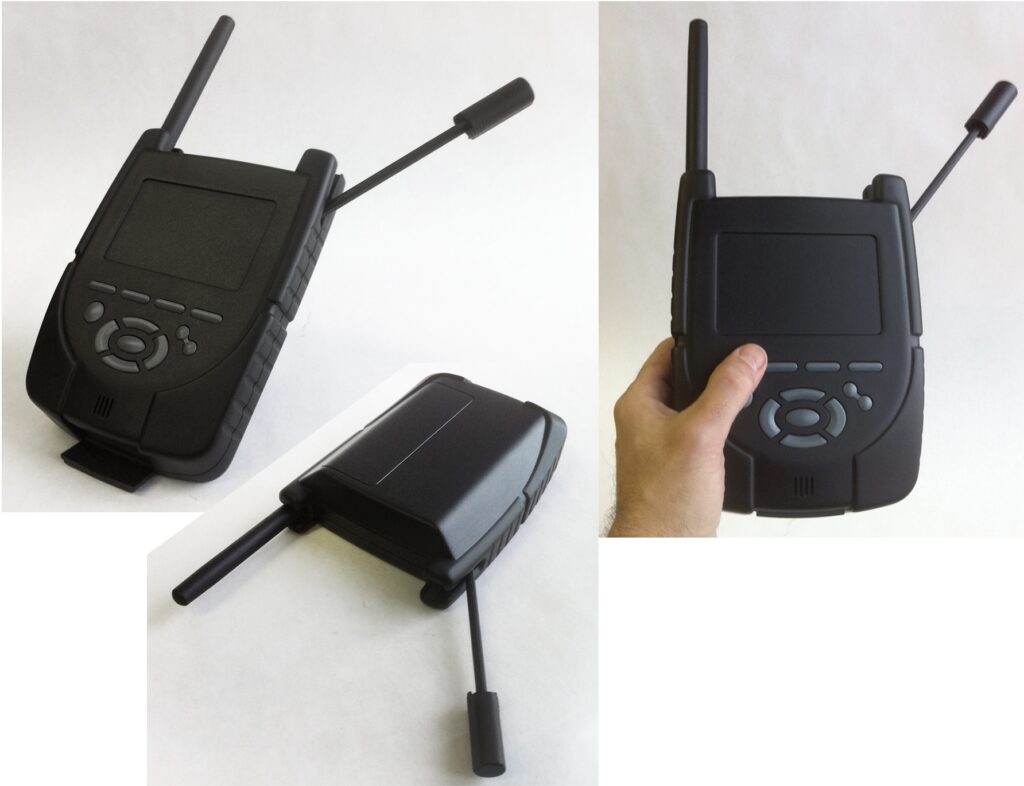
Development Prototype
A development prototype is designed to achieve the performance targets defined in the product specifications or establish the technical requirements for production equipment and manufacturing processes. It does not necessarily incorporate all final components or match the appearance of the finished product.
Its primary purpose is to demonstrate functionality, repeatability, and overall viability. The prototype should meet key performance requirements, although certain deviations are acceptable when they do not compromise the validation objectives.
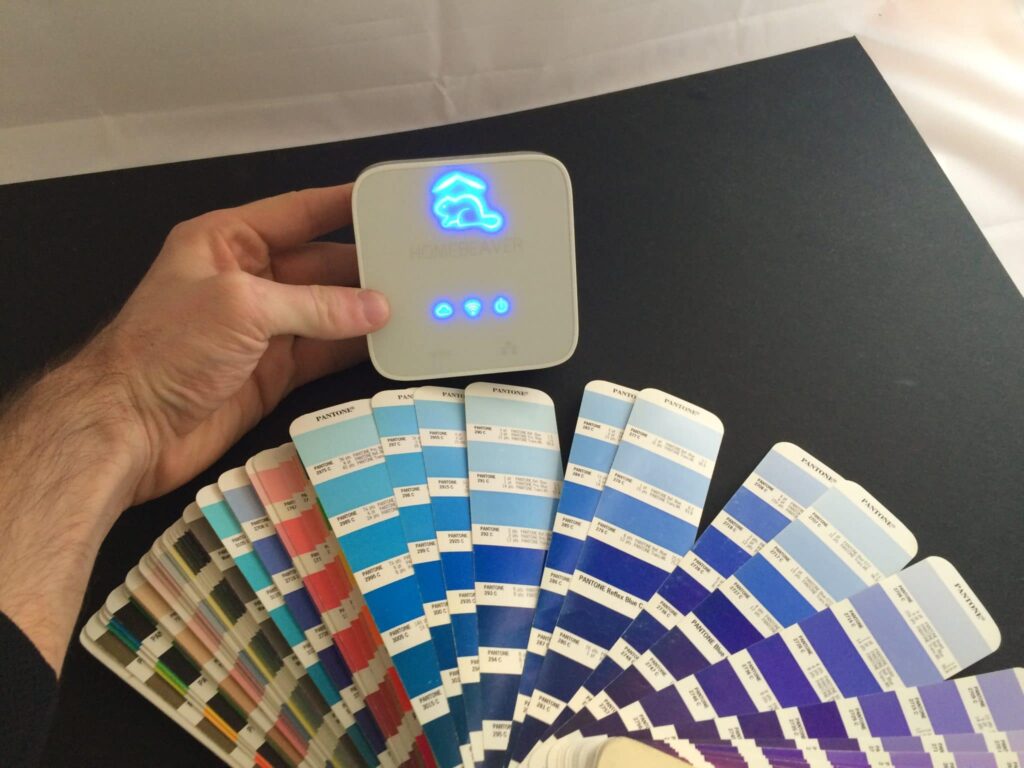
Test Prototype
A test prototype is built to evaluate a product’s performance under its intended operating and environmental conditions. It closely reflects the final design, incorporates the final configuration, and uses approved components or qualified equivalents.
Its purpose is to confirm that the product meets the performance requirements defined in the technical specifications and withstands its intended environmental conditions. It is a critical step in validating the product before production.
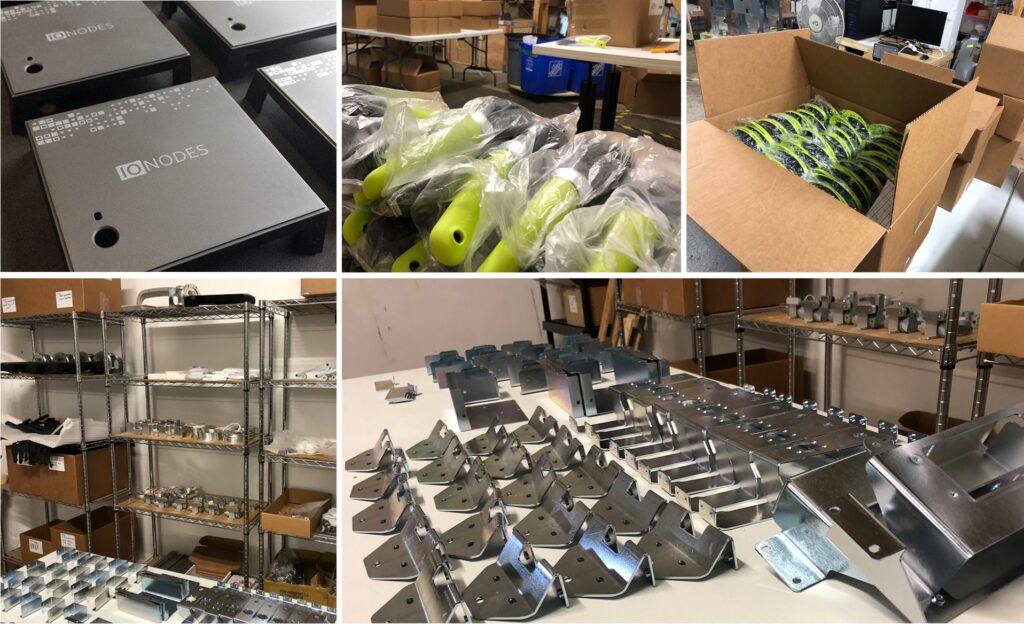
Pre-Production Prototype
A pre-production prototype is designed to meet the performance requirements defined in the product specifications. It is manufactured primarily using production tooling and processes and incorporates final components whenever possible.
Its purpose is to verify product performance, confirm the repeatability and quality of parts produced with production tooling, and validate the manufacturing process. Adjustments are made as needed until the units meet the performance requirements and technical specifications of the final product.
Successfully completing this stage confirms that the product and manufacturing process are ready for full-scale production..